Glass vs Plastic Food Storage: Which Set Should You Buy?
Every kitchen eventually faces the same question: should leftovers and meal prep go into glass or plastic? Both materials have real strengths, and the right answer usually depends on how you cook, how you reheat, and how much cupboard space you are working with. This guide walks through the differences and points to specific sets that make the decision easier.
Why the Material Matters
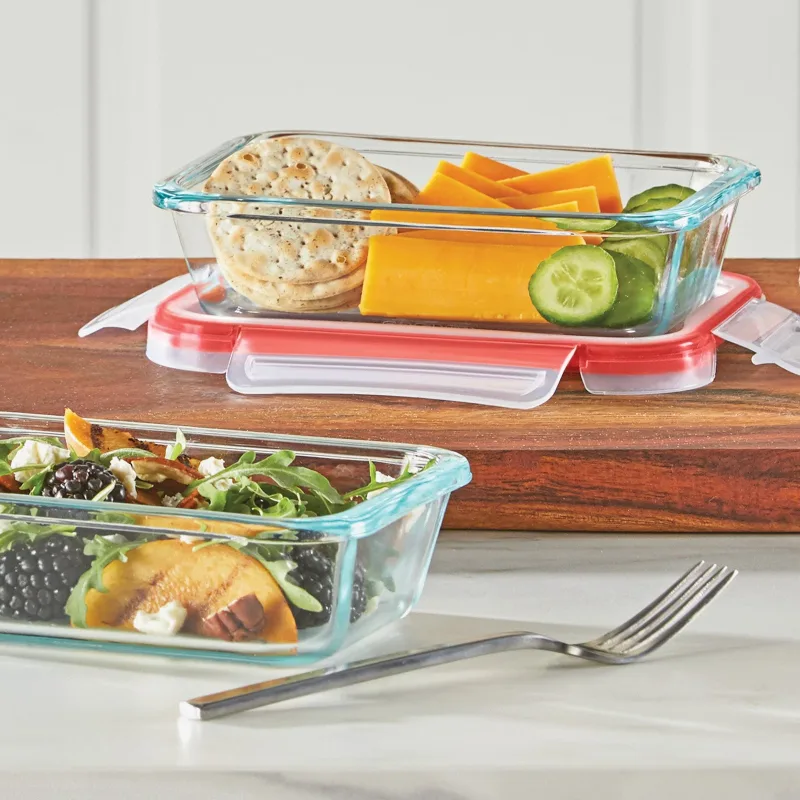
Glass is non-porous, so it does not hold onto the colour, smell, or flavour of last night's curry. It also moves comfortably from fridge to oven to table, which means fewer dishes and less transferring. Plastic, on the other hand, is lightweight, stackable, and often the better choice for lunch bags, pantry organisation, and dry goods.
Neither material is universally better. A practical kitchen usually keeps both: glass for reheating and serving, plastic for storage and transport.
- Glass: stain-resistant, oven-friendly, heavier, generally more expensive.
- Plastic: light, affordable, easy to stack, best for dry or cold items.
- Lids: check whether they are airtight, and whether they are designed for the container size you are buying.
Glass Storage Sets Explained
When shopping for glass, the two details that matter most are the lid system and the shape. Lids that snap down on all four sides tend to seal more reliably than simple press-on covers, and shapes determine how efficiently your shelves fill up.
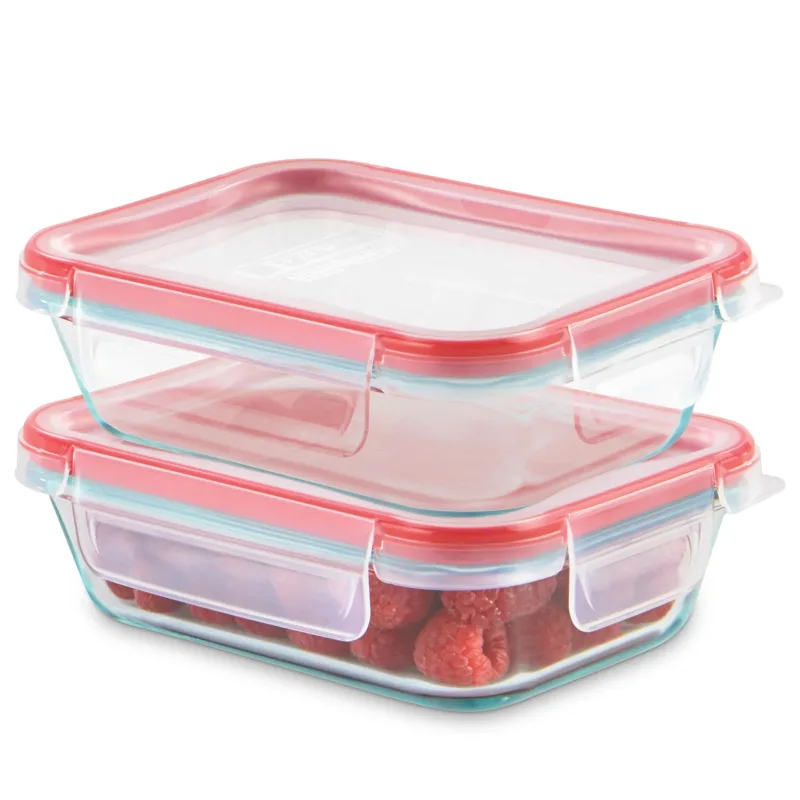
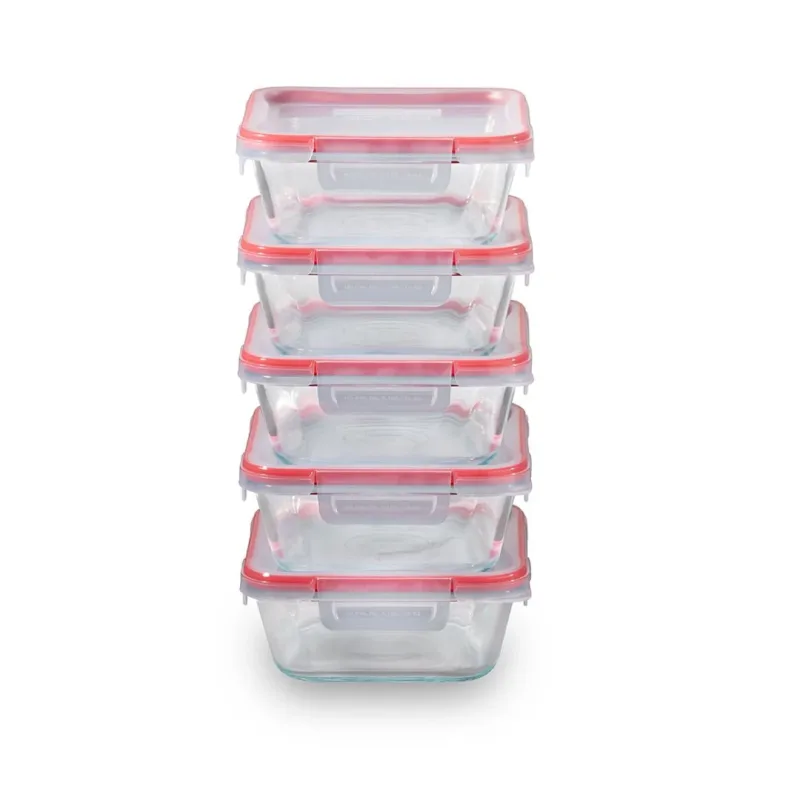
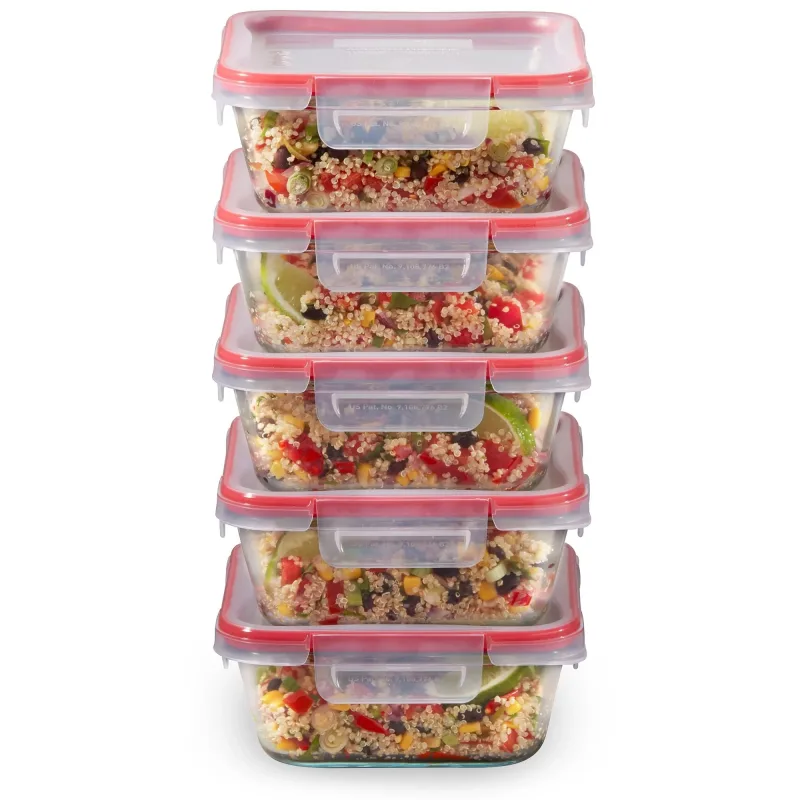
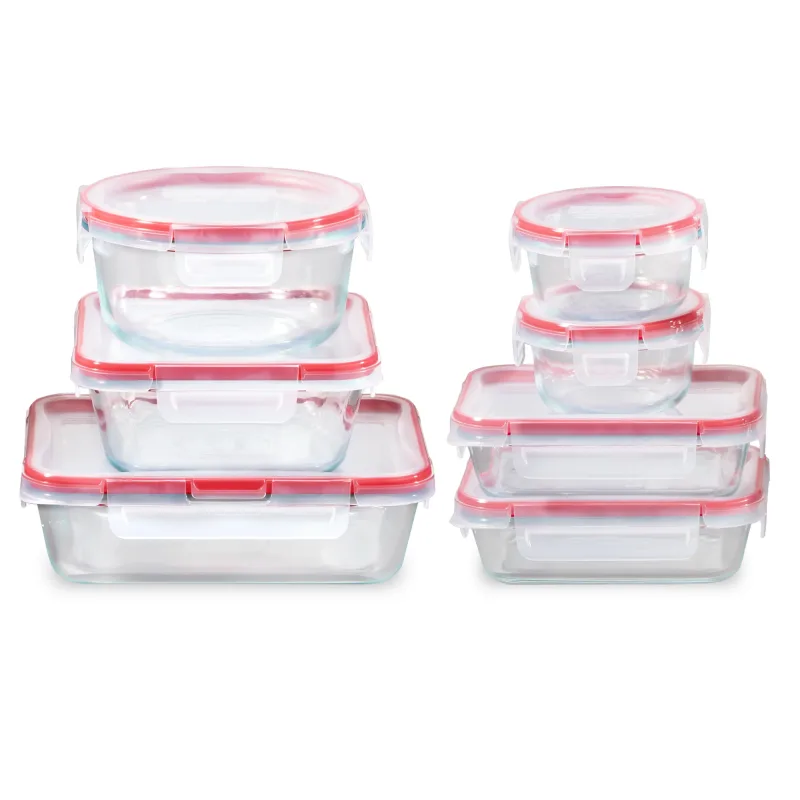
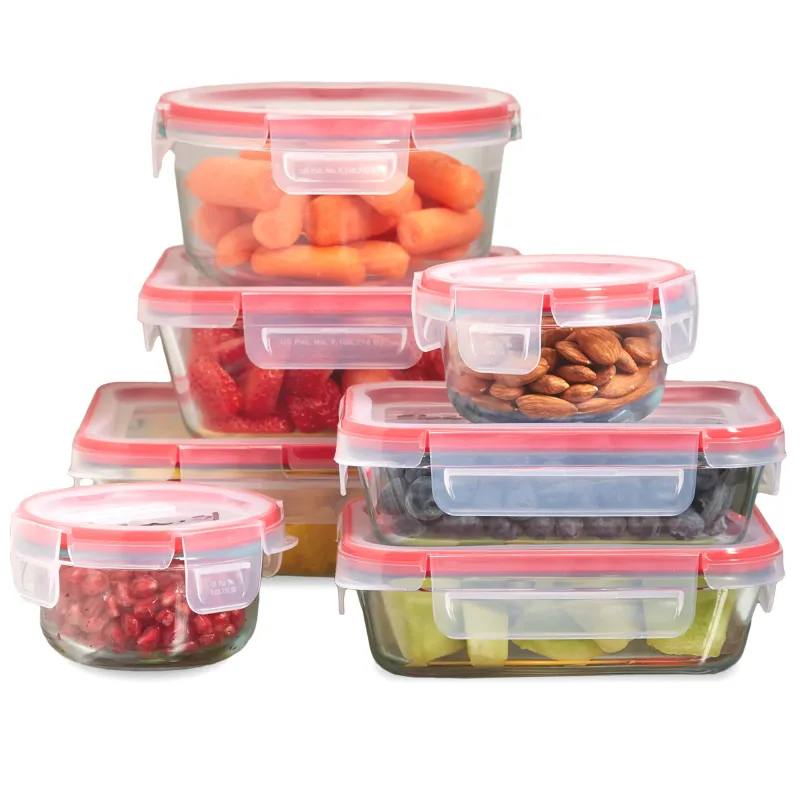
The Pyrex® FreshLock™ 4-piece Glass Storage Set is a good starting point if you want a small, focused set with secure lids. If you are building a full meal prep routine, the Pyrex® Freshlock™ 10-piece Meal Prep Glass Storage Set covers more bases, and the Pyrex® FreshLock™ 14-piece Mixed-Size Glass Storage Set adds the variety that makes it easy to match container to portion.
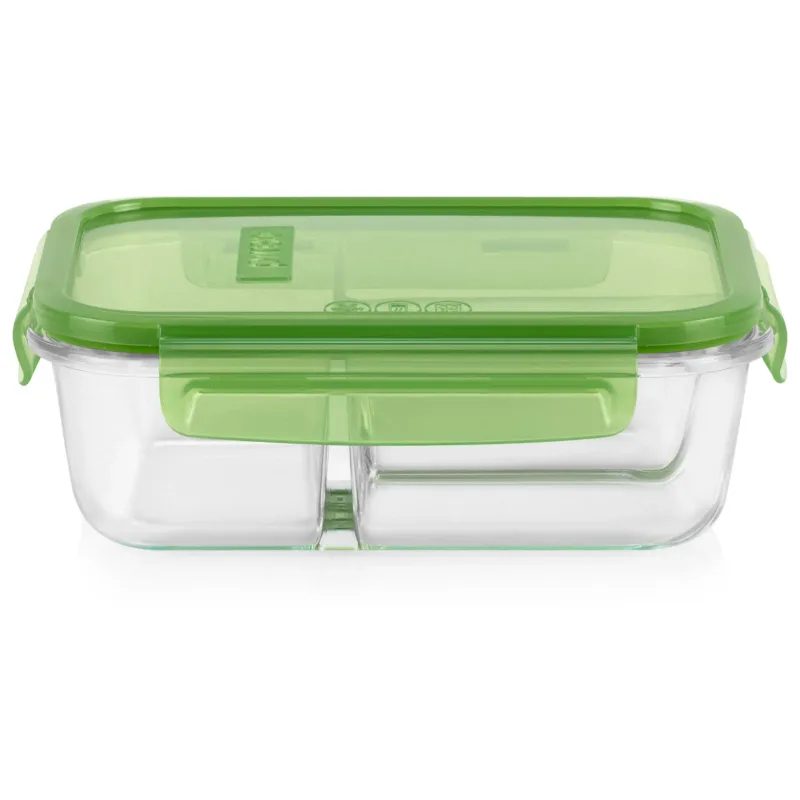
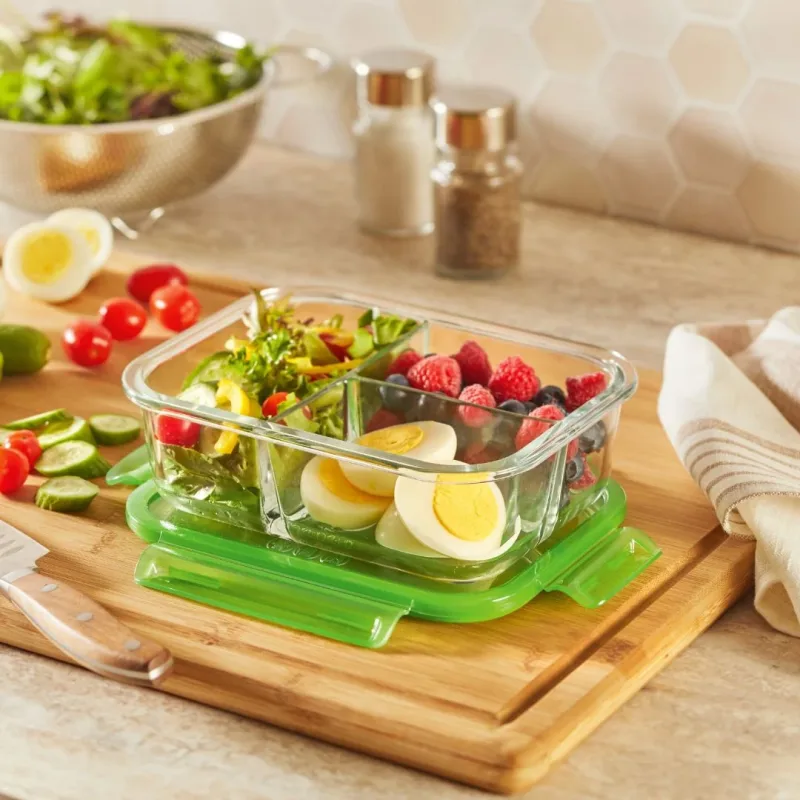
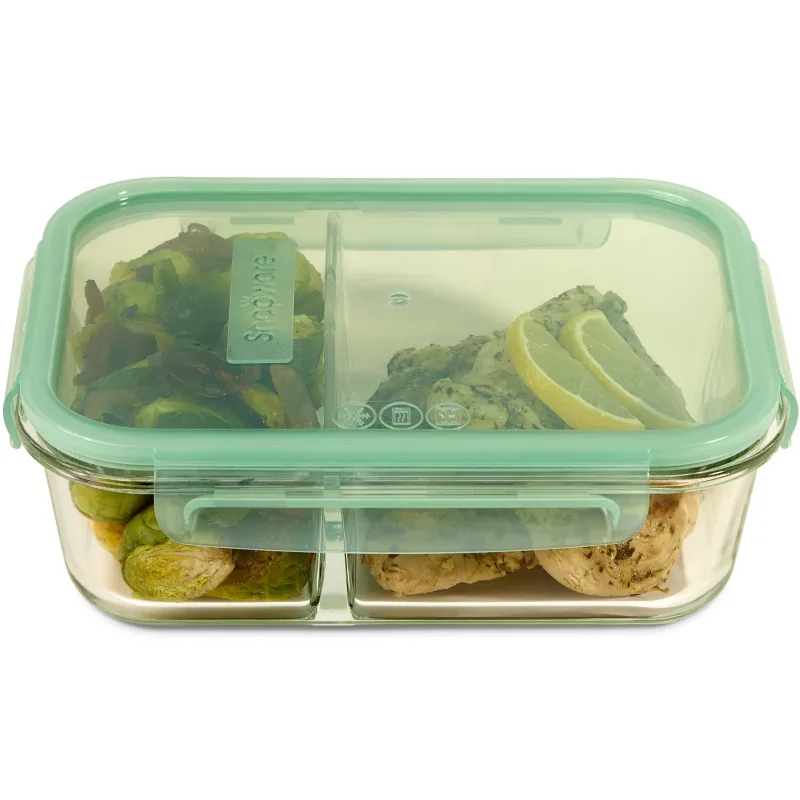
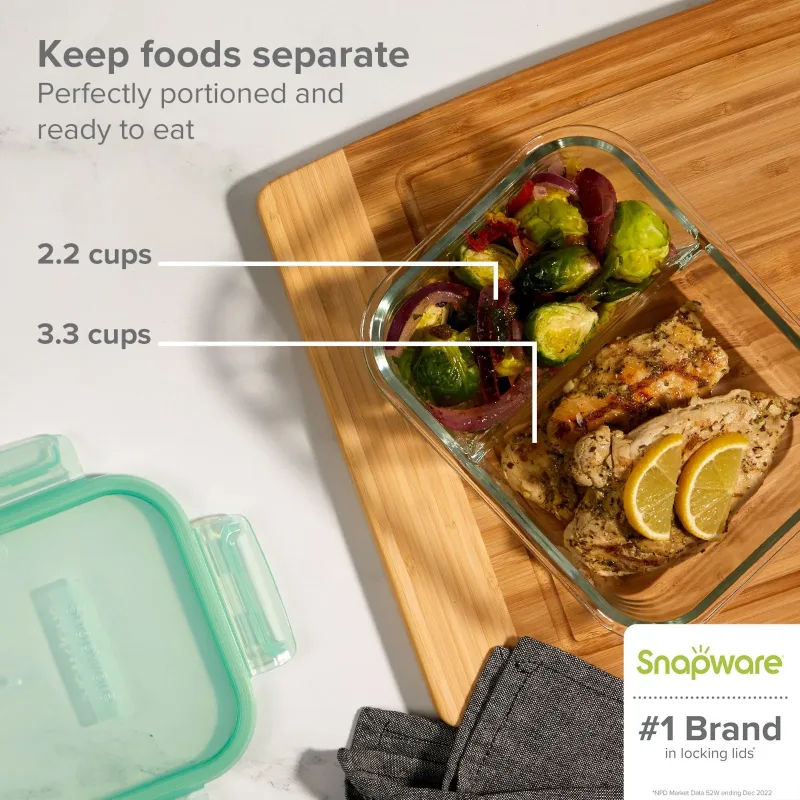
Divided containers deserve special mention. The Pyrex® MealBox™ 4-cup Divided Glass Food Storage Container with Green Lid keeps a protein and a side from mixing, which is exactly what you want when you pack lunch the night before.
Round, Rectangle, or Square?
Rectangles and squares use shelf space efficiently because they fit together without gaps. Round containers are easier to eat from and better for soups and saucy dishes. Many kitchens end up with a mix, which is why tinted round sets and rectangle sets are often bought together.
Plastic Storage and Meal Prep Kits
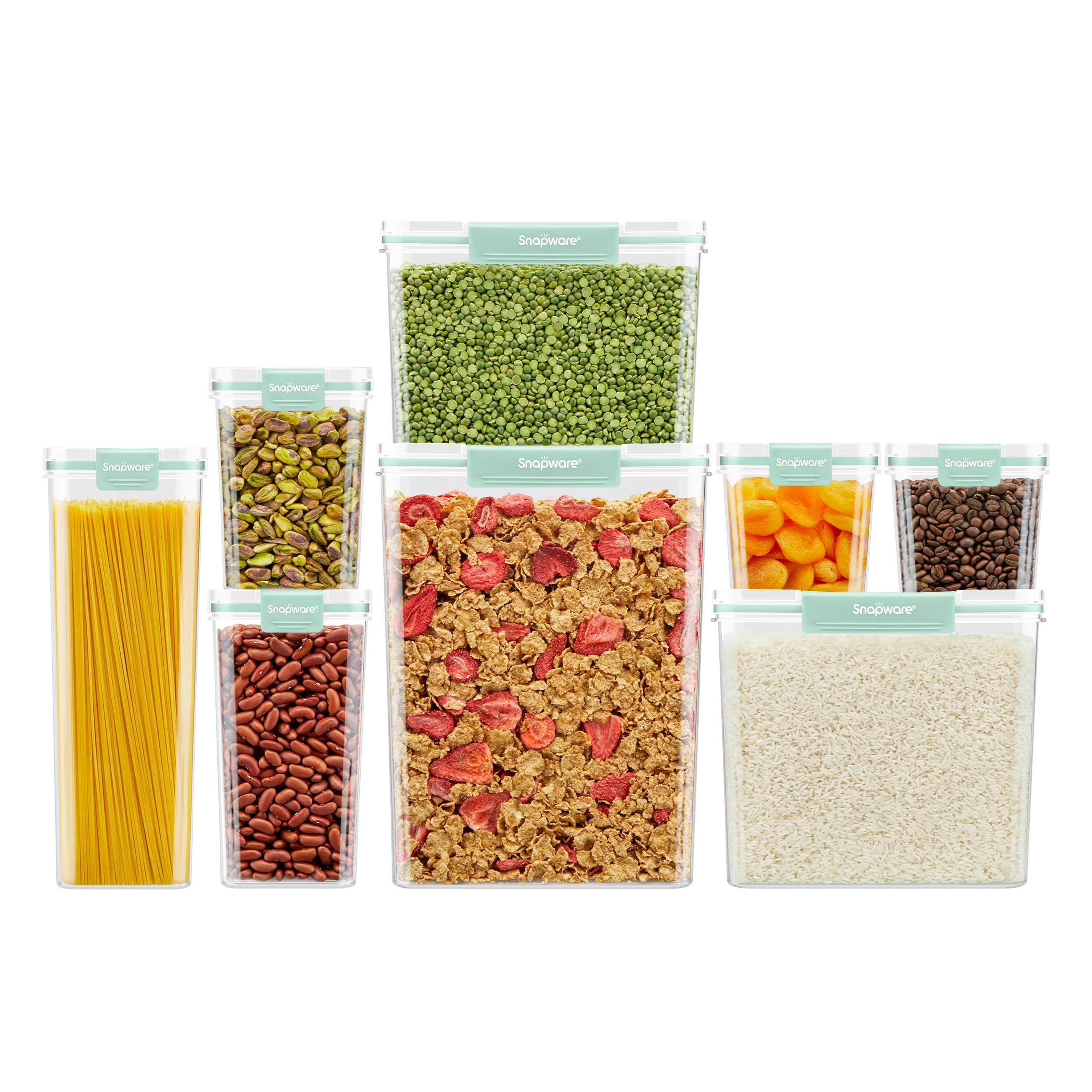
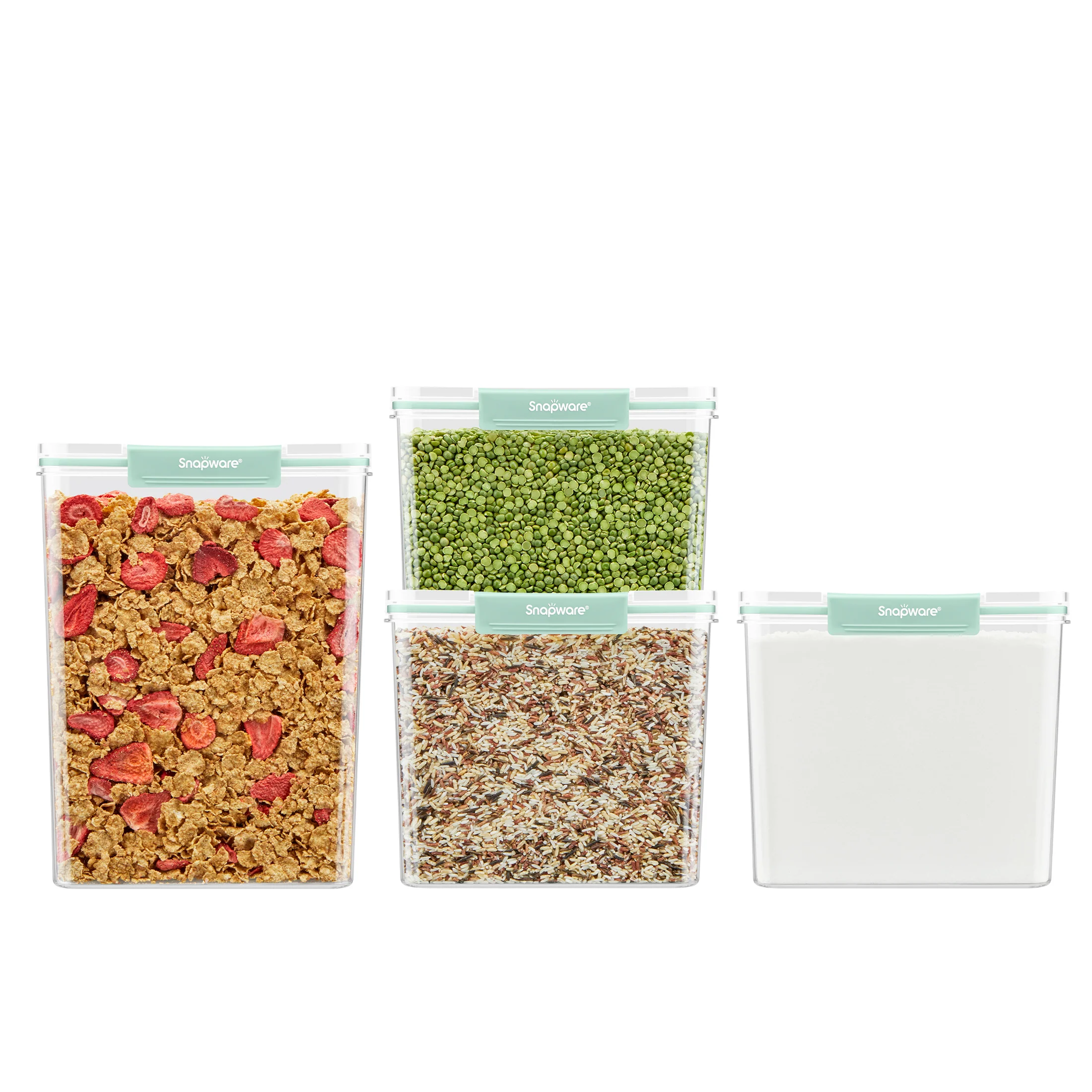
Plastic earns its place in the pantry. Airtight canisters keep flour, rice, and cereal fresh, while rectangular sets handle cold leftovers and packed lunches without adding weight.
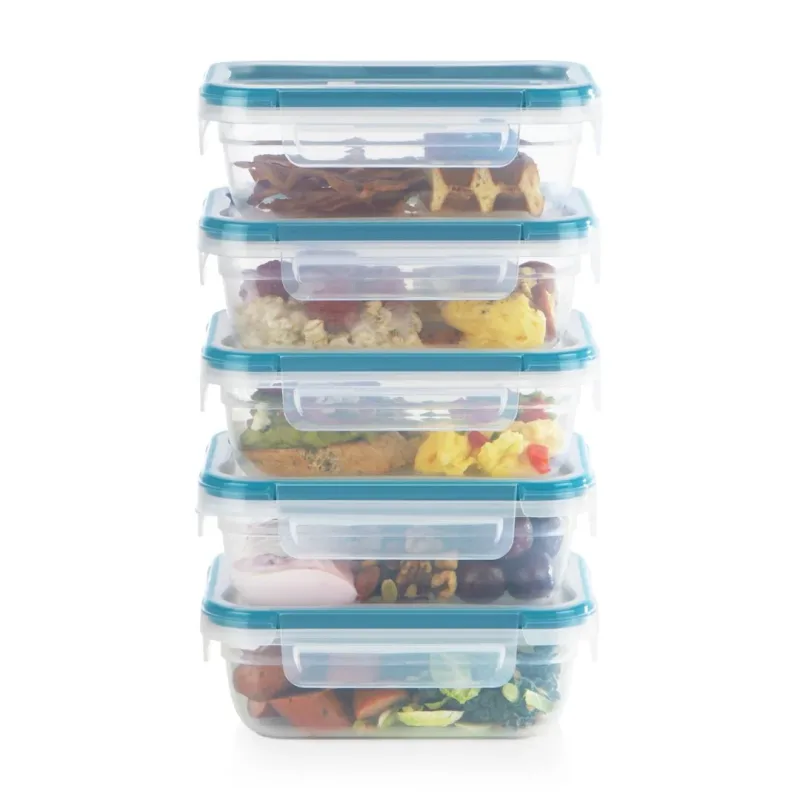
The Snapware® Total Solution® 10-piece Rectangular Plastic Food Storage Set is a straightforward way to cover a range of portion sizes in one purchase, and the smaller Snapware® Total Solution® 6-piece Rectangular Plastic Food Storage Set suits smaller households or a single person's meal prep. For dry goods, the Snapware® 8-Piece Plastic Canister Set tidies up a shelf quickly.
If you want the clarity of glass with the convenience of a divided tray, the Snapware® MealBox™ 5.8-cup Divided Glass Food Storage Container with Blue Lid is a generous size for a full meal.
Matching Storage to the Rest of Your Kitchen
Containers rarely live alone. Mixing bowls, bakeware, and cookware that share a footprint make the whole system work better. A tinted mixing bowl with a lid can double as a storage vessel, and baking dishes that go from oven to fridge reduce the number of dishes you own.
Think about the flow of a typical week: you mix, you bake, you cool, you store, you reheat. Choosing pieces that can handle more than one of those steps is what actually saves space.
Quick Buying Checklist
- Piece count: smaller sets (4–6 pieces) suit one or two people; 10–14 piece sets suit families or batch cooking.
- Lid type: snap-lock lids for airtight sealing, press-on lids for lighter use.
- Shape: rectangles for shelf efficiency, rounds for soups and single servings.
- Dividers: useful if you pack complete meals rather than single dishes.
- Material mix: glass for reheating, plastic for pantry and transport.
Start with the job you do most often. If it is reheating leftovers, glass is the practical choice. If it is organising the pantry or packing a cold lunch, plastic will serve you well — and most kitchens are happiest with a little of both.